Recommended: The Glamour of Grammar
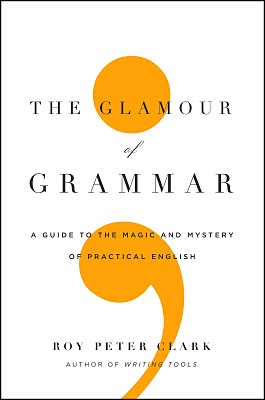 I came across The Glamour of Grammar by Roy Peter Clark while looking for an approachable guide to grammar for my graduate students. Grammar is something that everyone struggles with, regardless of whether you're a native speaker of English or not. Many things you've learned as a student may or may not have changed over time. Any student of language would also realize that grammatical rules evolve, so rules such as "never end your sentence with a preposition" are one of those rules that are falling out of use. (I also read this right after Albert C. Baugh and Thomas Cable's brilliant A History of the English Language, which went in depth into many other issues, and focused a lot more on the historical evolution of language since its beginnings, and its foreign influences over time.)